Tree Preservation · January 28, 2026 · 4 min read
How Edmonton's Mature Neighbourhoods Benefit from Tree Preservation
Why preserving established trees in Edmonton's mature neighbourhoods protects environmental, community and property value that takes decades to replace.

Table of Contents
Introduction
Edmonton's mature neighbourhoods are defined by their established trees. These large canopies provide environmental, social, and economic benefits that cannot be quickly replaced once removed.
In areas such as Strathcona, Glenora, Highlands, Riverdale, and Westmount, tree preservation plays a key role in maintaining neighbourhood character, supporting urban ecology, and protecting long-term property value. This is especially true across Edmonton's mature neighbourhood service areas, where established canopy provides benefits that new plantings cannot quickly replace.
This is why a preservation-first approach to tree care matters.
Edmonton's urban forest strategy reinforces this need. The City of Edmonton has set a long-term goal to increase overall canopy cover to 20% by 2071, up from an estimated 13% today. While new tree planting plays an important role in reaching this target, preserving existing mature trees is the most effective way to maintain canopy cover in the near and medium term.
Why Mature Trees Matter In Edmonton
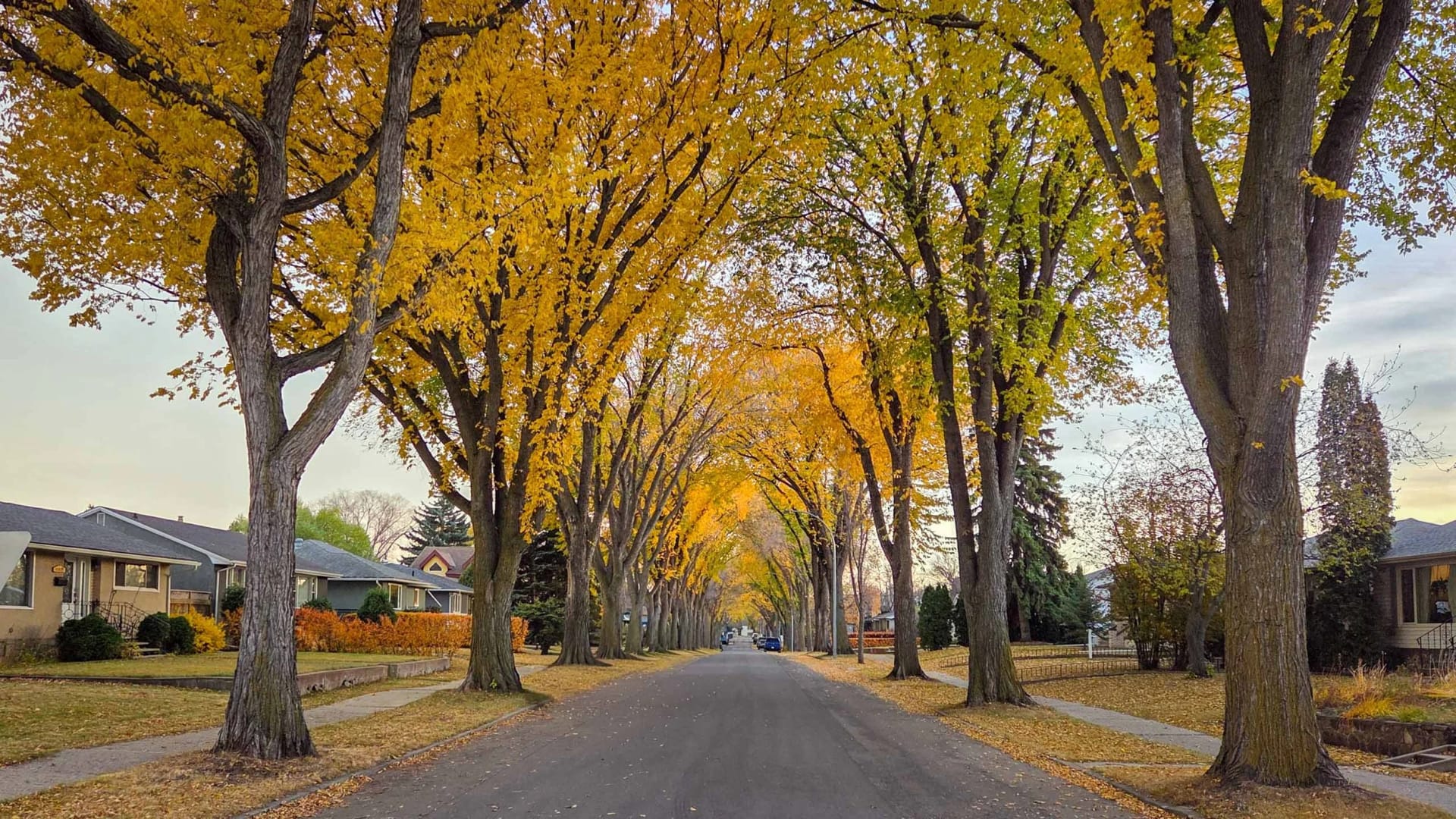
Mature trees function as living infrastructure within the city. Unlike young plantings, established trees provide immediate and measurable benefits:
- Reduced urban heat and improved shade coverage
- Better air quality and carbon storage
- Stormwater absorption and soil stabilization
- Habitat for birds and local wildlife
- Lower energy costs for nearby homes
Removing a mature tree means losing decades of growth and environmental benefit.
Tree Preservation And Neighbourhood Character
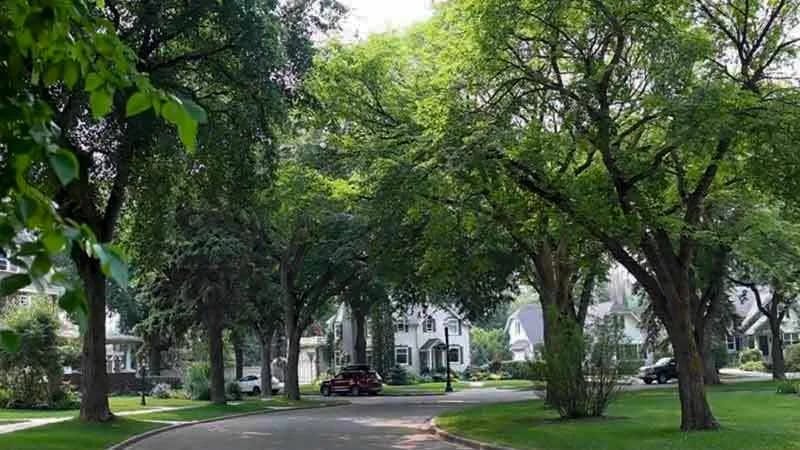
Many of Edmonton's older neighbourhoods were designed with trees as a defining feature. Tree-lined streets and large canopies shape the identity of these communities.
Independent local research also highlights how uneven canopy cover can be across the city. A neighbourhood-level analysis by urban tree proponent Dustin Bajer shows how some areas benefit from significantly higher tree cover than others, reinforcing the importance of protecting existing mature trees where canopy is already established.
(Reference: https://dustinbajer.com/edmonton-tree-canopy-coverage-by-neighbourhood/)
Preserving existing trees helps:
- Maintain neighbourhood character
- Protect property values
- Avoid sudden landscape disruption
- Support long-term urban planning goals
Once mature trees are removed, the visual and environmental impact is often permanent.
Tree Health Assessments: The First Step In Preservation
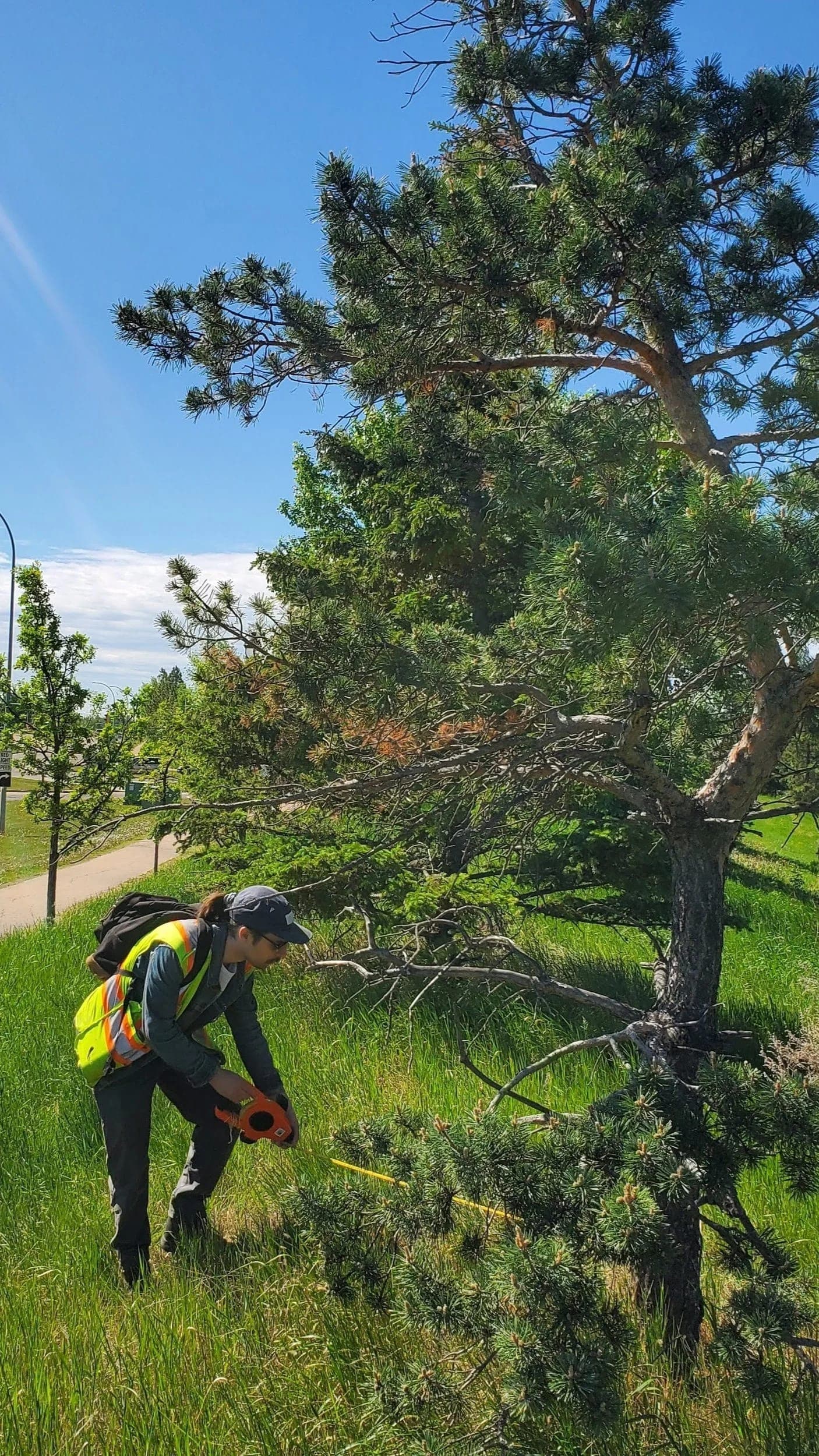
Not every tree issue requires removal. In many cases, concerns can be addressed early through professional assessment.
A tree health assessment can:
- Identify structural or health issues early
- Reduce risk through targeted pruning
- Extend the lifespan of mature trees
- Prevent unnecessary removals
Preservation Planning During Renovation Or Construction
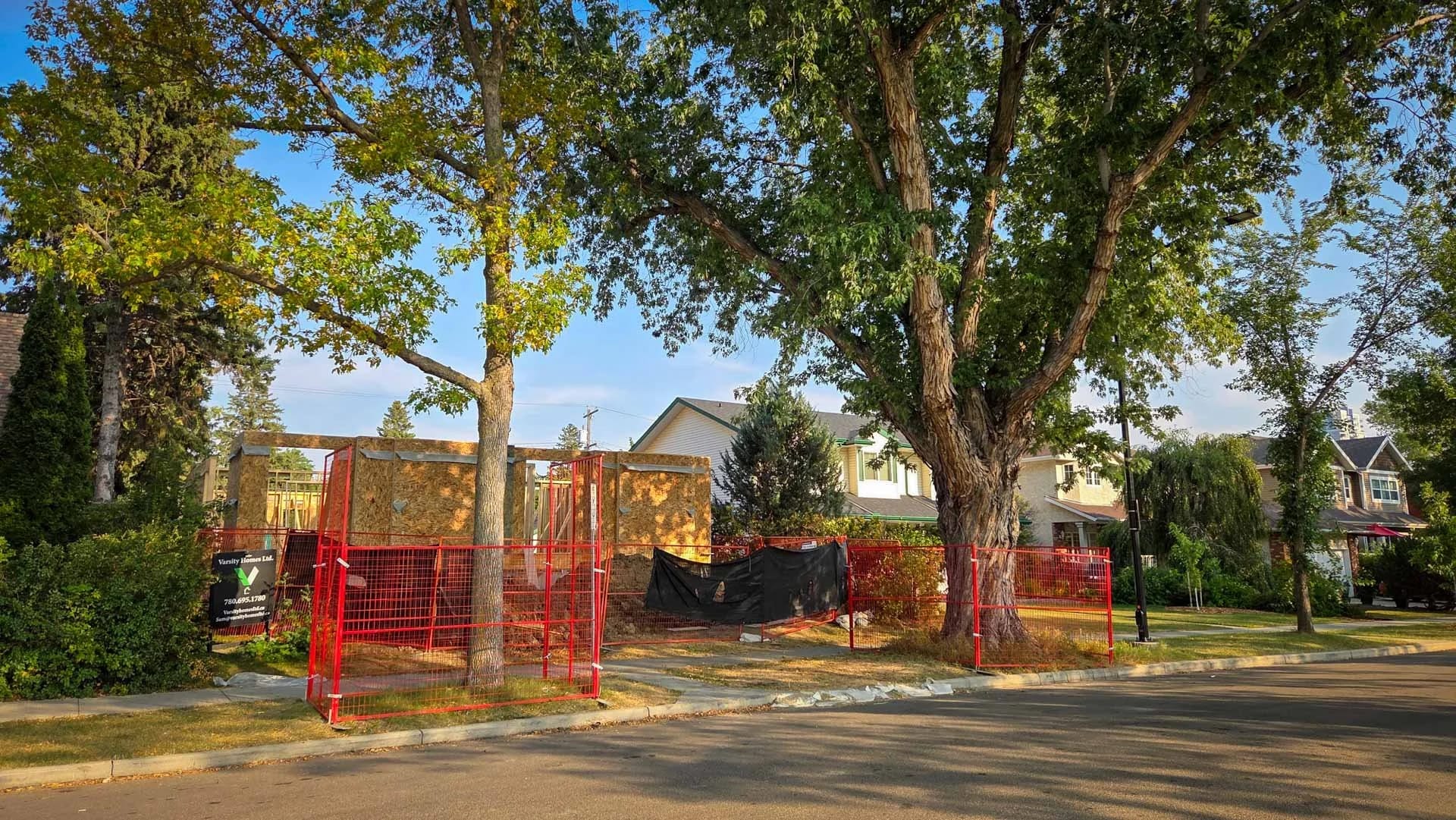
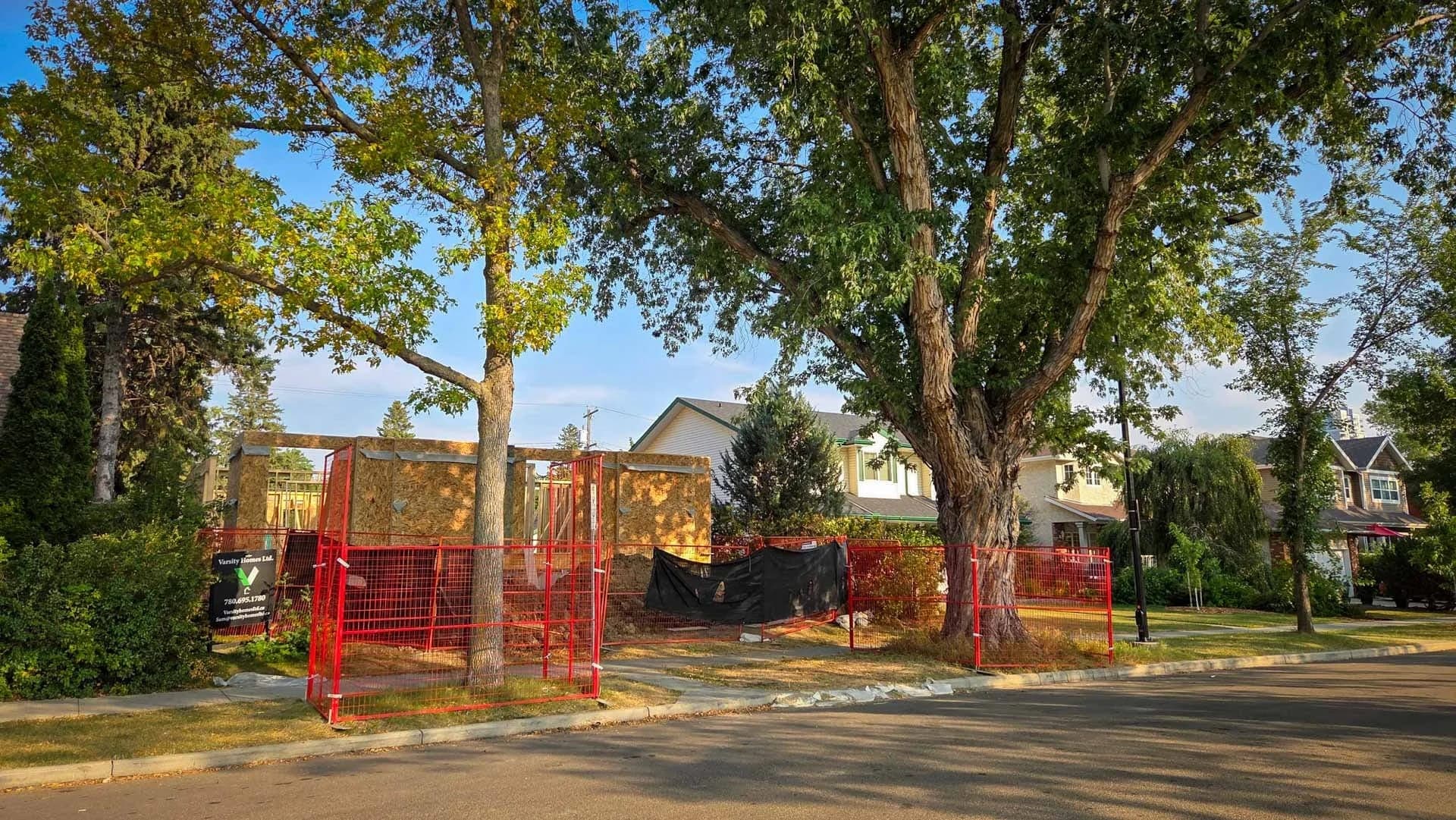
Home renovations and new construction are common in mature neighbourhoods. Without proper planning, trees can be unintentionally damaged through root disturbance or soil compaction.
Tree preservation planning helps:
- Protect root zones during construction
- Reduce long-term decline from compaction
- Support compliance with municipal requirements
- Balance development with environmental responsibility
See : Tree Protection & Preservation Plans
Planning For The Next Generation Of Trees
Preservation also means planning ahead. Strategic planting ensures canopy continuity as older trees age.
Professional planting guidance supports:
- Proper species selection
- Long-term canopy planning
- Correct spacing and soil preparation
Tree Preservation FAQ
Should mature trees always be preserved?
Not always. Some trees may pose safety risks or be in irreversible decline. However, preservation should be evaluated first by an arborist who is qualified in Tree Risk Assessment
Can construction be done without harming trees?
Yes, with proper planning. Tree protection measures can significantly reduce damage during construction projects.
Do preserved trees increase property value?
Established trees are consistently linked to higher property value and improved neighbourhood appeal.
Conclusion: A Preservation-First Approach
Tree preservation isn't about avoiding change. It's about making informed decisions that protect the long-term health of Edmonton's urban forest.
For mature neighbourhoods, preservation-first tree care:
- Protects community character
- Reduces environmental impact
- Supports long-term sustainability
- Minimizes unnecessary tree loss
Book a Tree Health Assessment to explore preservation options before removal is considered.
A professional assessment can give you clarity and peace of mind.
📞 Call: 780 271 8733
📧 Email: info@citytree.ca