Tree Health · Updated · Published · 2 min read
Does My Tree Have Dutch Elm Disease?
How to identify Dutch elm disease symptoms — leaf yellowing, brown wood streaks, declining canopy — and what to do if you suspect infection.
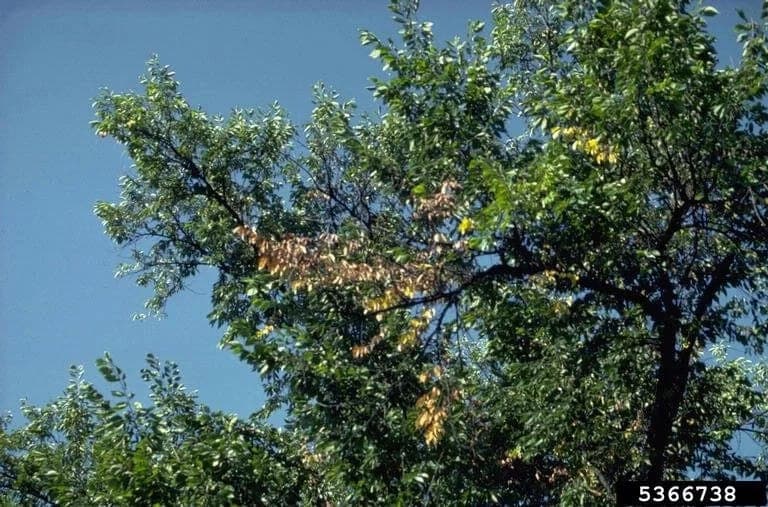
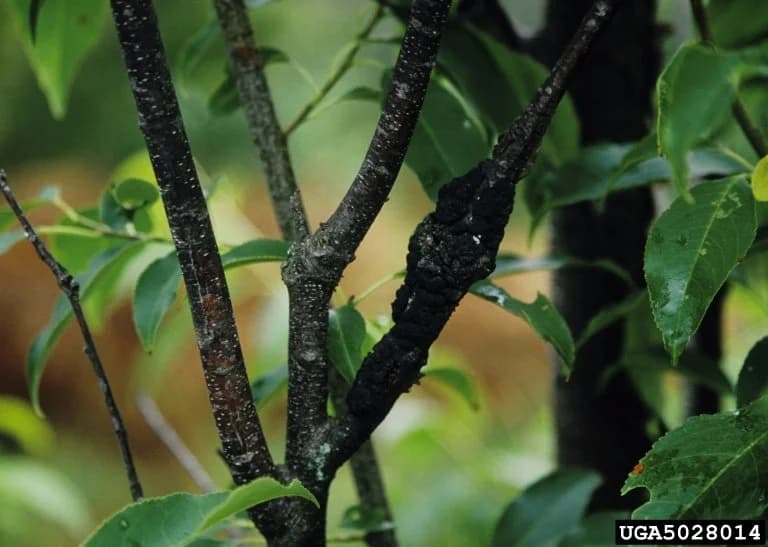
To identify if your tree has Dutch elm disease, look for the following symptoms: yellowing and wilting of leaves, brown streaks in the trunk and branches, and a gradual decline in overall health. Other signs can include fungus growth on the bark, discolouration and crumbling of wood under the bark, and an abnormal growth of shoots from the base of the tree. If you suspect your tree has Dutch elm disease, it is important to have it confirmed by a professional arborist or a forestry specialist, as other diseases and environmental factors can cause similar symptoms. Early detection and treatment are crucial in controlling the spread of the disease, so do not hesitate to reach out for help.
Frequently Asked Questions
What are the symptoms of Dutch elm disease?
Common signs include yellowing and wilting leaves, brown streaks in the wood under the bark, a gradually thinning canopy, and sometimes abnormal shoots from the base of the trunk. Other diseases and stress can look similar, so symptoms are best confirmed by an arborist.
What should I do if I think my elm has Dutch elm disease?
Have it confirmed by an ISA-certified arborist or forestry specialist before acting. Early detection matters, since confirmed infections need to be handled quickly to limit spread to nearby elms.