Tree Planting · August 4, 2025 · 4 min read
How to Plant a Tree in Edmonton: Step-by-Step Guide
Six-step guide to planting a tree in Edmonton's Zone 4a climate — species selection, hole prep, planting depth, mulching, and aftercare.
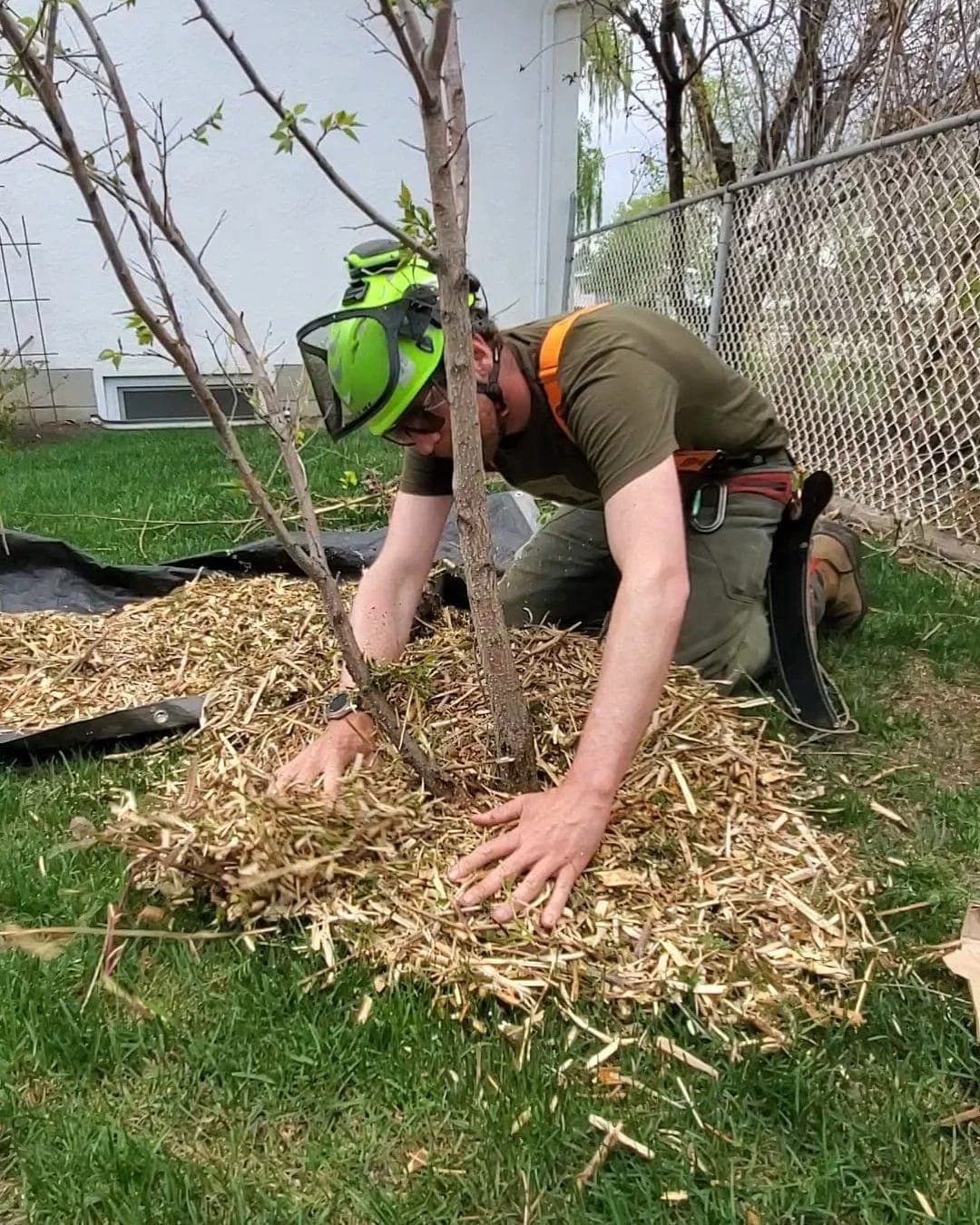
Table of Contents
Introduction
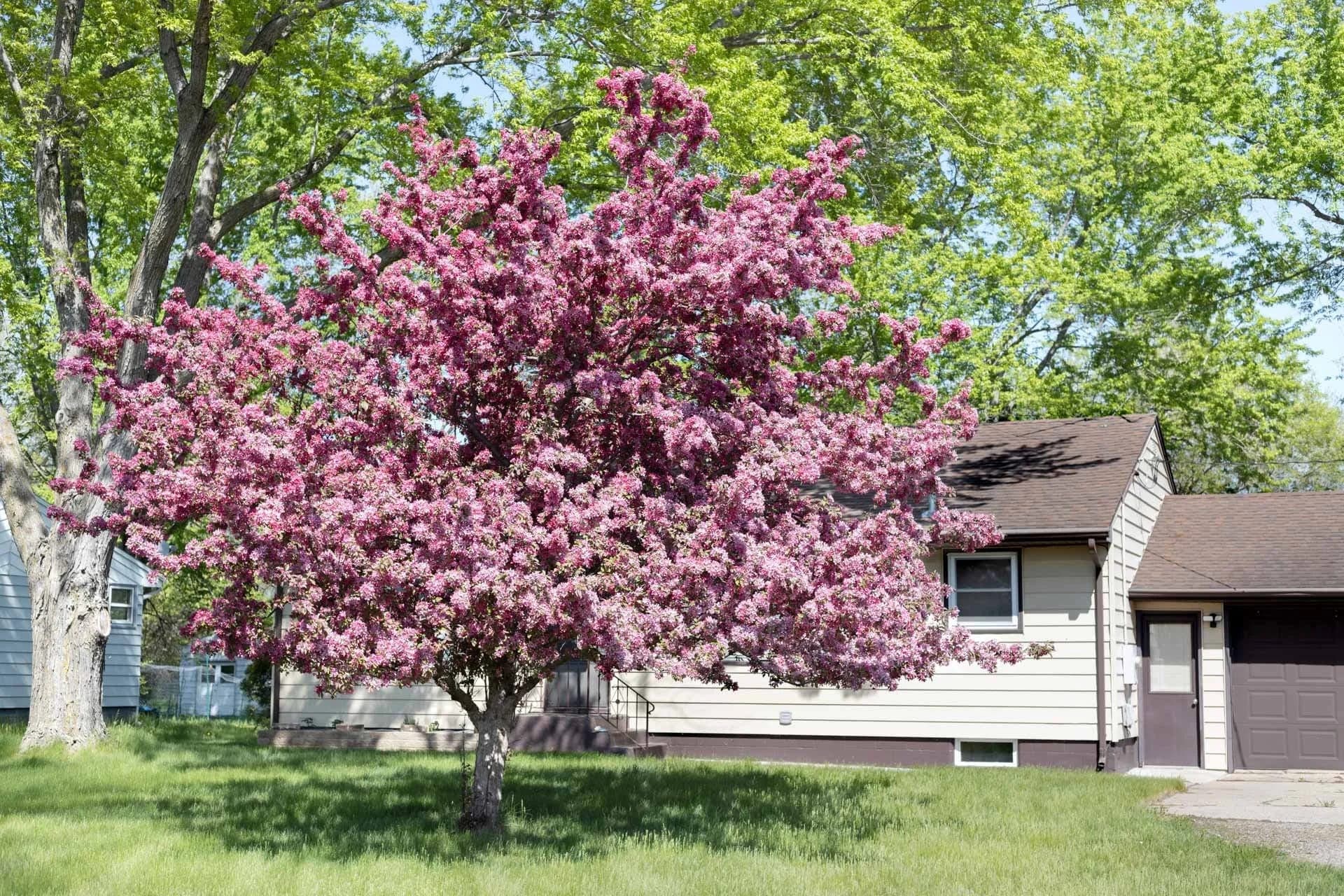
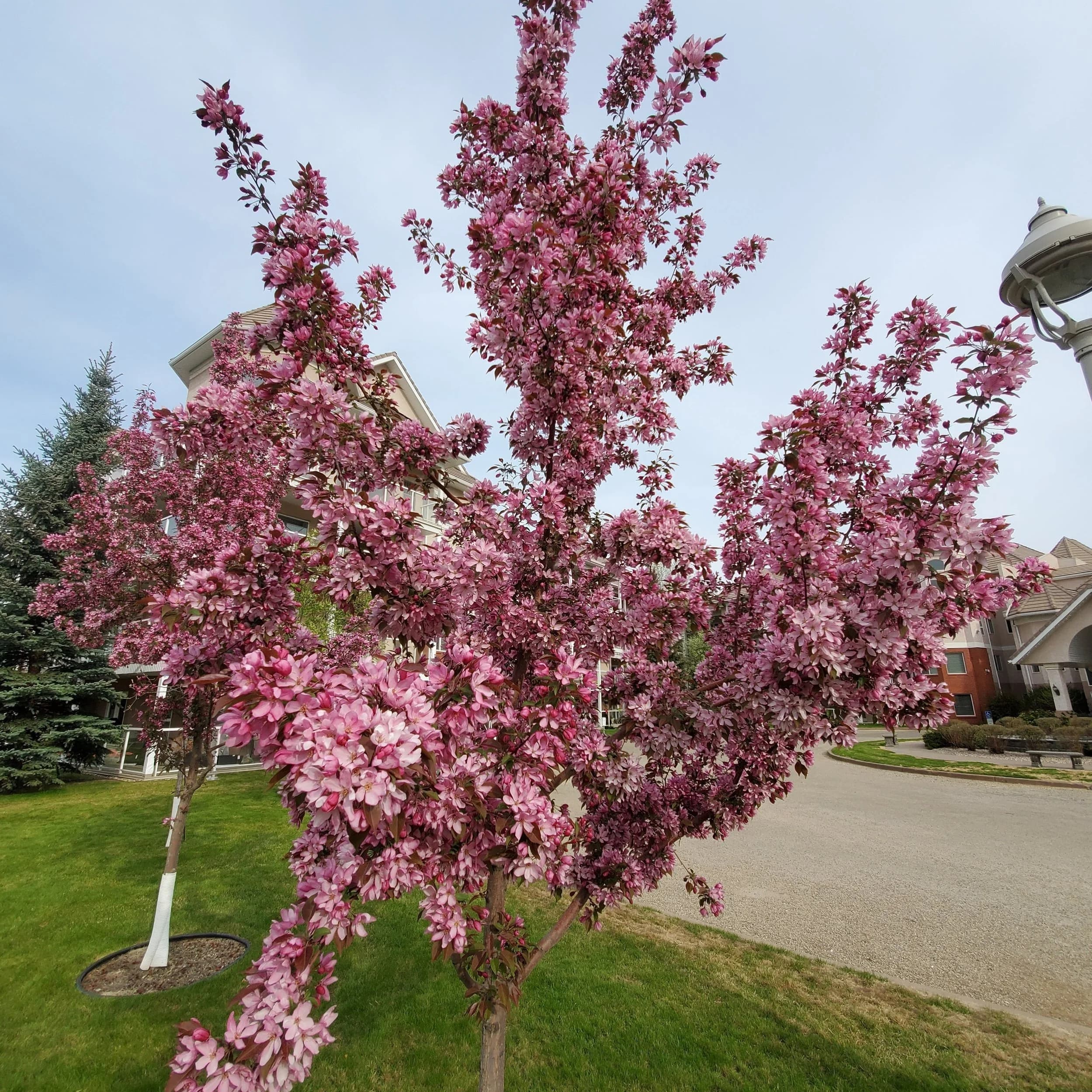
Planting a tree is an investment in your landscape and the environment. Doing it right ensures your tree thrives in Edmonton's unique climate and soil conditions. Follow this step-by-step guide to plant a tree successfully, without unnecessary complications.
Note: each space is unique, and we really do recommend consulting with an arborist before making planting decisions. We see the problems that come up years after planting - issues that may not be apparent to nurseries or landscapers, who typically don't witness the results years down the line.
6 Steps to Planting a Tree
Step 1: Select the Right Tree
Choosing a tree suitable for Edmonton's climate and your specific yard conditions is essential
- Climate Hardy: Choose tree species adapted to our zone 4a climate (zone 3 plants remain a safer, hardier choice if you want extra winter insurance) (e.g., Colorado spruce, Bur oak, Amur maple). For more ideas, check out our Top 5 Low-Maintenance Trees for Edmonton Yards.
- Purpose: Decide on shade, privacy, or aesthetics to guide your choice. Consider whether you want edible fruits or not.
- Location: The general rule is "right tree in the right place." We often remove trees because they are too close to the house, when they could have been planted a few meters away and been kept for decades. Consider mature size, sunlight exposure, and proximity to buildings and utilities. Don't be tricked if the nursery says the spruce will only grow to 3 meters tall - most trees end up getting big.
Step 2: Prepare the Planting Site
Proper site preparation helps your tree establish quicker and healthier:
- Clear the Area: Remove grass, weeds, and debris.
- Soil Check: Edmonton often has clay-heavy or sandy soils. For clay soil, mix in compost or topsoil to enhance drainage. For sandy soil, add organic matter to improve moisture retention.
Step 3: Dig the Hole
The size of the hole is crucial:
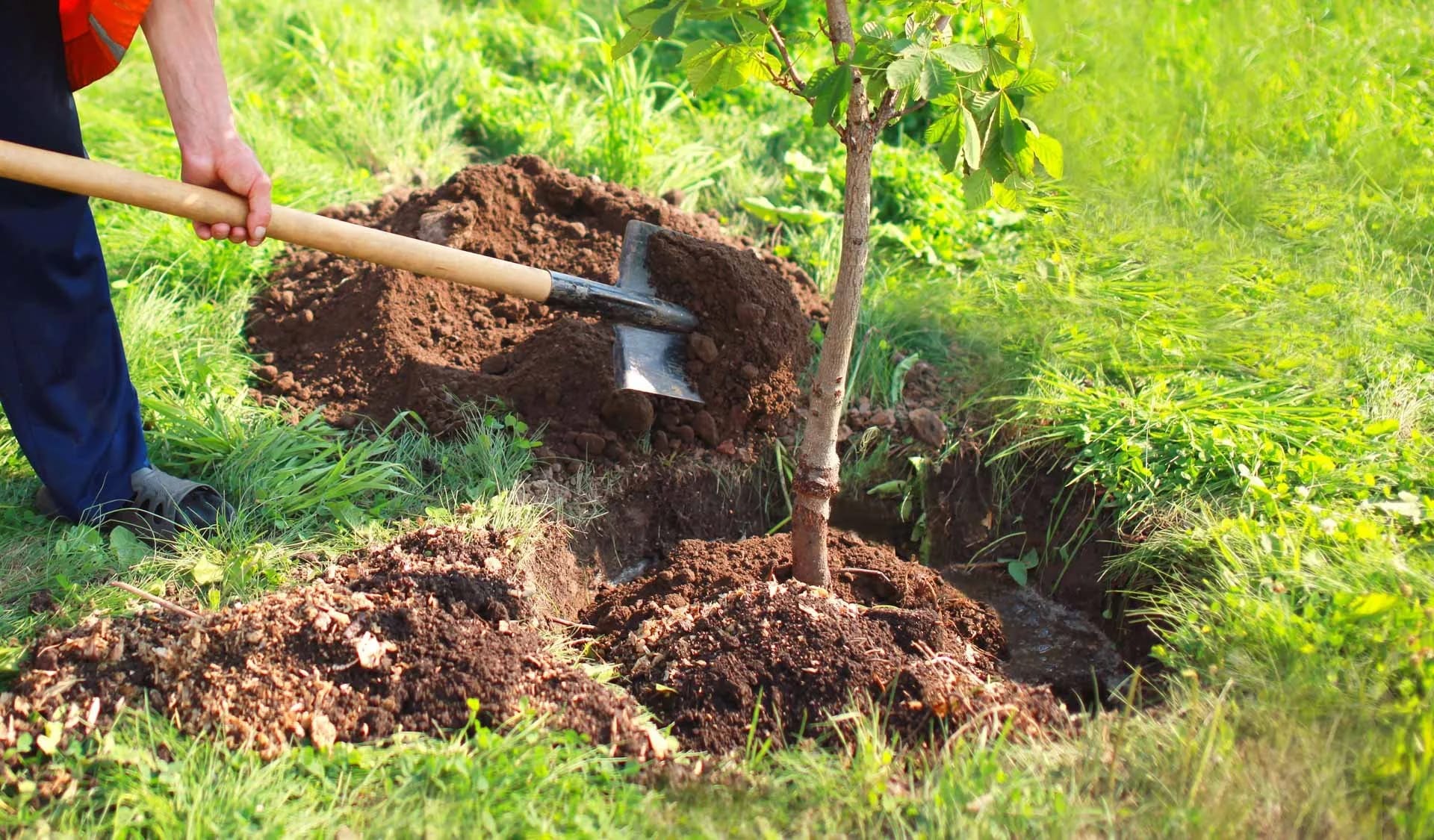
- Width: Dig the hole 2-3 times wider than the root ball.
- Depth: Dig only as deep as the root ball's height; planting too deep can suffocate roots.
- Sides: Ensure the hole sides are rough (not smooth) to help roots penetrate outward.
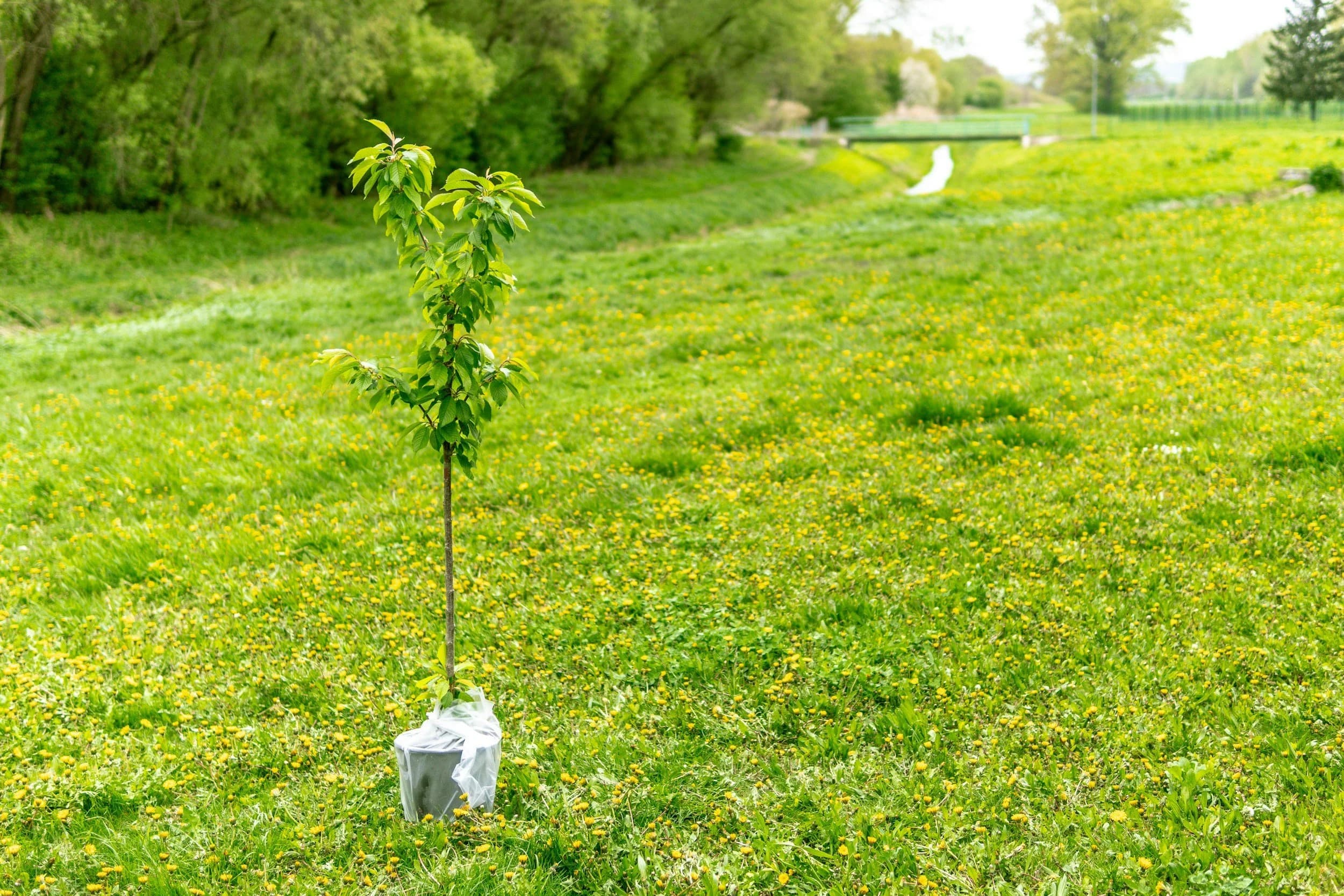
Step 4: Plant the Tree
- Placement: Gently position the tree, keeping it upright.
- Root Ball: Remove containers or burlap carefully without damaging roots.
- Planting Depth: Ensure the tree is planted so the root flare (where roots meet the trunk) is slightly above ground level. This is absolutely critical to the long-term health of the tree.
Step 5: Backfill and Water
- Backfill: Fill the hole halfway, water deeply to settle the soil, then complete filling.
- Final Watering: Thoroughly water after backfilling to eliminate air pockets.
Step 6: Mulch and Aftercare
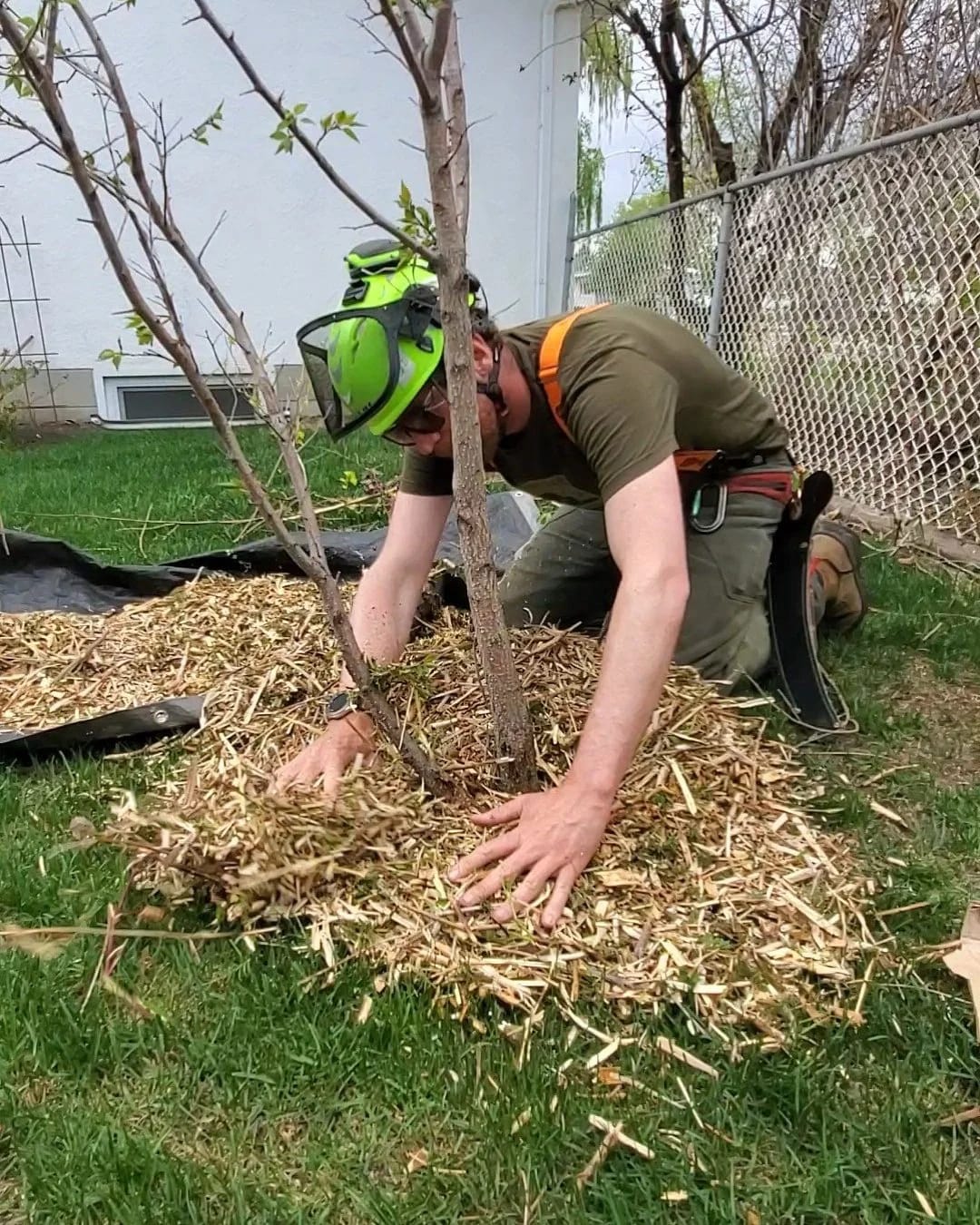
- Mulching: Apply 2-4 inches of mulch around the base (avoid direct contact with the trunk).
- Watering Schedule: Regular deep watering once per week, more frequently in dry spells.
- Staking (Usually Unnecessary): Properly planted trees usually do not require staking. Staking is only recommended for unusually large trees or in extremely windy locations.
Timing Matters
Spring (late April to early June) and early fall (September) are ideal times to plant trees in Edmonton. These periods offer moderate temperatures and moisture conditions conducive to root establishment.
Frequently Asked Questions
When is the best time to plant a tree in Edmonton?
Spring (late April to early June) and early fall (September) offer the best conditions for root establishment.
Do I need to stake my newly planted tree?
Most of the time, no. Properly planted trees usually don't require staking unless they're tall or in very windy areas.
How often should I water my new tree?
Water deeply once a week during the growing season, more often during dry periods.
Can I plant in clay or sandy soil?
Yes, but you may need to amend the soil. Add compost for clay and organic matter for sandy soils.
How far should I keep mulch from the trunk?
Maintain a mulch-free space of about 12 cm (5 inches) around the trunk to prevent decay and disease.
Get Professional Guidance
If you're unsure or prefer professional support, City Tree Service offers expert tree planting consultations and services tailored to your Edmonton yard.
Ready to plant confidently?
Contact City Tree Service for Your Tree Planting Consultation.